What is Reiki and how can it help you heal?
Brittany Barberian • February 13, 2023
Reiki is a complementary and alternative therapy that originated in Japan in the early 20th century. It is based on the belief that there is a universal life energy that can be harnessed and channeled by a practitioner to promote healing and balance in the body, mind, and spirit of a recipient. Reiki practitioners use light touch or near touch on or above the recipient body to channel the energy, and they believe that the energy will flow to where it is most needed in the recipient's body. The recipient remains fully clothed during a Reiki session, and the therapy is usually performed in a quiet and relaxing environment. Reiki practitioners and some individuals who have experienced Reiki believe that it can help to heal in several ways:
1. Reducing stress and promoting relaxation: Reiki can help to reduce stress and anxiety by inducing a deep state of relaxation. This can have a positive effect on the immune system, blood pressure, and other physiological processes.
2. Managing pain: Reiki is sometimes used to help manage chronic pain, as well as to reduce the side effects of other medical treatments.
3. Improving mood: Reiki has been shown to have a positive effect on mood and may help to reduce feelings of depression and anxiety.
4. Promoting physical healing: Reiki is sometimes used to promote healing from physical injuries and illnesses. Proponents believe that the energy channeled during a Reiki session can help to stimulate the body's natural healing processes.
5. Enhancing spiritual well-being: Reiki is often described as a spiritual practice, and some people believe that it can help to enhance their sense of spiritual well-being.
It's important to note that while some individuals report positive experiences with Reiki, the therapy should not be considered a substitute for conventional medical treatment. If you're considering Reiki for a specific health condition, it's always best to consult with your healthcare provider first. If you would like to schedule a session, contact Compass of Hope Counseling or go on the website to book an appointment! www.compassofhopecounseling.com
Love and light,
Devaney Sloan, Reiki Master, Crystal Healer & Certified Yoga Instructor
What to Expect During Spravato Treatment

Learn the Differences Between Spravato® and Ketamine

Learn how polyvagal theory in therapy and applied positive psychology support nervous system regulation, improving resilience, safety, and emotional healing.
Learn how to set healthy boundaries, reduce people-pleasing, and build stronger relationships through responsibility, freedom, and emotional clarity.
A reflection on self-awareness, healing after hurt, and nurturing secure, authentic relationships with yourself and the people around you.
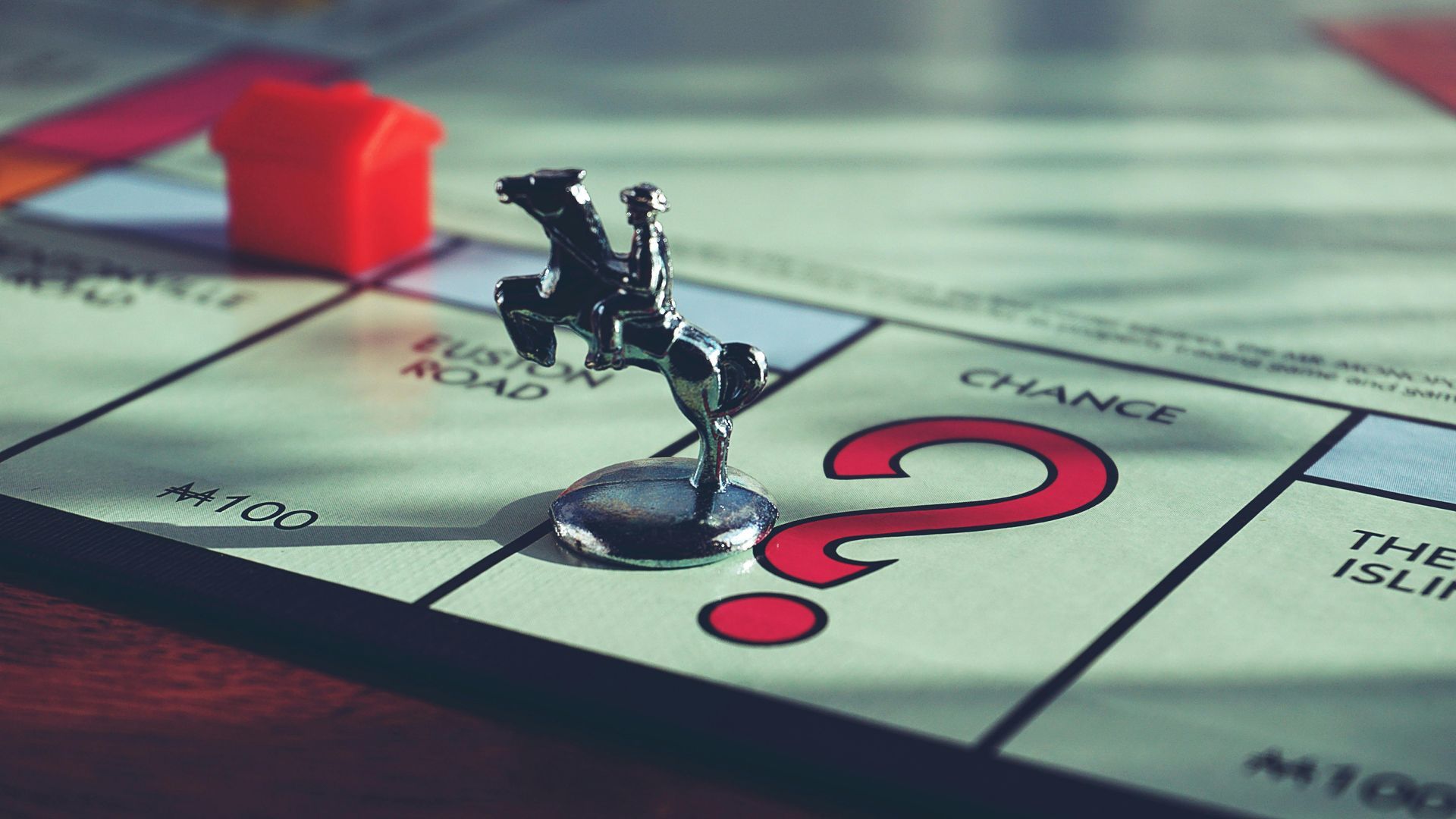
Many clients and prospective clients solely focus on coping skills in their treatment. Coping skills are valuable tools in recovery and symptom management but there are additional actions you can take to build resiliency and improve your situation. Focusing on what needs to be done or changed all the time can lead to burnout or feelings of inadequacy. Improving symptoms and overall mental health does not have to be hard work all the time! It can be helpful for clients to balance the hard work and effort they are doing with “lighter” actions/activities. What can having fun look like? Having fun has a different meaning for everyone, think of activities or hobbies that you enjoy. Are you a sports fanatic? A crocheter? A reader? Maybe you like to watch reality television? Clients often do not consider how the things they do for enjoyment or just to pass the time can help process their mood, feelings, or symptoms. A clinician can see these same activities as their client practicing mindfulness, self care, and/or symptom management! How can relationships improve mental health? Anyone can benefit from having natural supports, meaning any person in your life who does not have a professional relationship with you. Natural supports can look like friends, family, fellow members of your church, recreational sports team, book club, etc. Any of these people you have a positive relationship with can be a natural support! Natural supports can help provide emotional and mental support when you are dealing with a stubbed toe, a major crisis, or anything in between. Why is this important for your mental health? Balancing the work and effort you are making every day with time spent doing enjoyable and/or relaxing activities helps build your resiliency. Resiliency is the capacity to withstand or recover from difficulties. Resiliency is crucial with managing mental health symptoms because it will help carry you through every day stressors and can help make major stressors easier to deal with. Alix Reilley LCMHC Candidate Source: NAVIGATE Individual Resiliency Training Manual 2014

Does your child feel anxious, scared, or stressed as they begin the new school year? These are common feelings that come up for kids as they anticipate the separation from their parents or caregivers, being in a new environment, and meeting new people. Many kids also feel stressed about adjusting to a new daily routine with higher academic expectations.
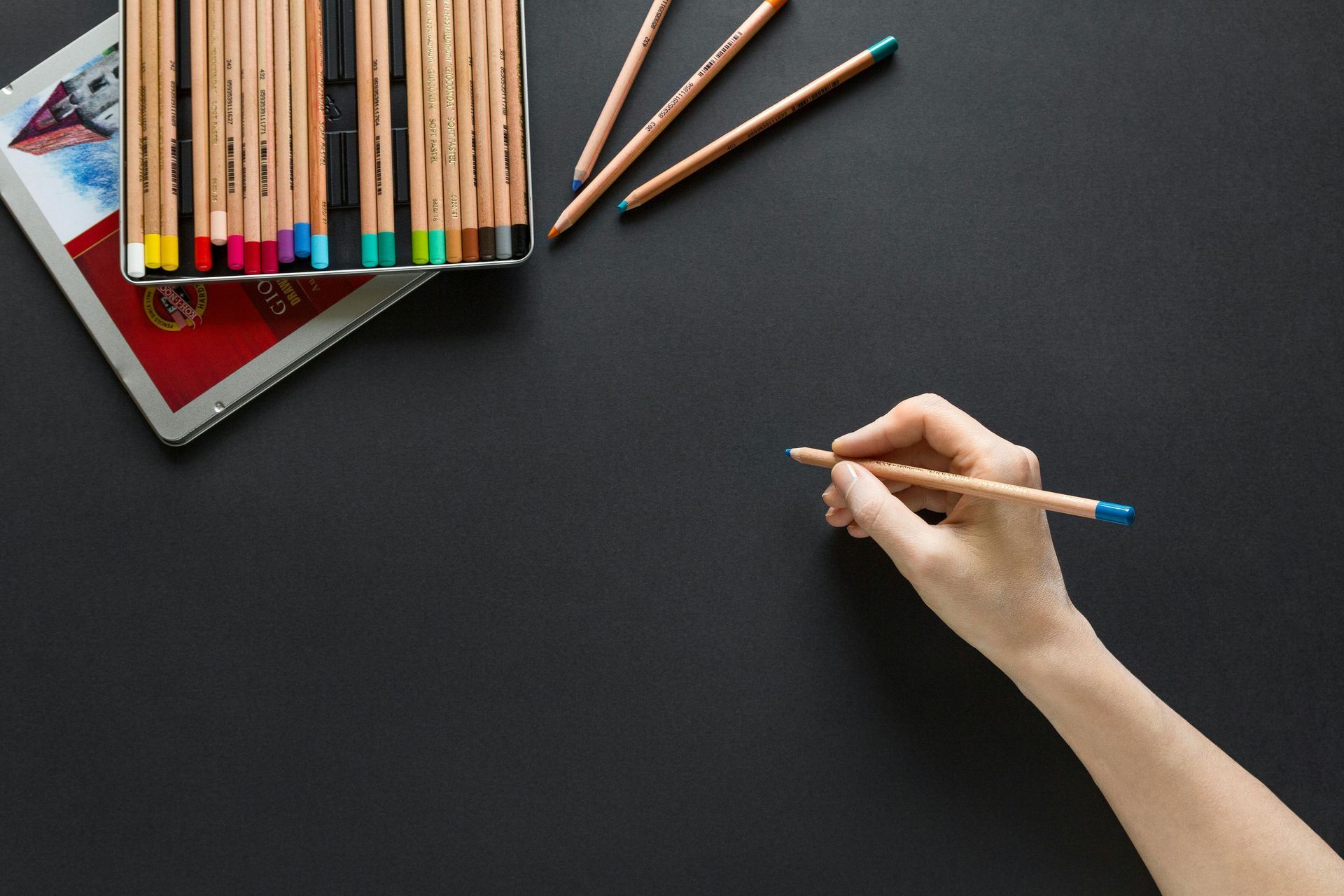
Coping skills are often associated with breathing techniques, meditation, and grounding techniques as stand alone skills. However, many people don’t realize they can integrate these skills into their hobbies, such as crafting. Many people struggle with certain aspects of coping skills that require them to focus and remain still, or may need replacement behaviors for harmful or maladaptive coping skills. But how can we combine hobbies and coping skills? Mindfulness Mindfulness means paying attention to the present moment, without judging or trying to change it. This involves observing your thoughts, feelings, and sensations without getting caught up in them. Sounds difficult right? It can be, but this blog is going to help you find ways you already practice mindfulness or help you develop a way to do so. Spending too much time planning, problem-solving, daydreaming, or thinking negative or random thoughts can be draining. It can also make you more likely to experience stress, anxiety and symptoms of depression. Practicing mindfulness exercises can help you direct your attention away from this kind of thinking and engage with the world around you. Mindfulness and Crafting While meditation, yoga, and walking are common mindful activities, crafting is a fun alternative. Crafting may help reduce stress in people, as well as develop creative confidence, skills, and aid in stress around perfectionism.. Not only is crafting fun, but playing with shapes, colors, and textures is stimulating and emotionally rewarding, as seen in the benefits of art therapy. Some great crafts to complete mindfully are: Crocheting/Knitting: crochet and knitting are wonderful mindfulness practices as the process can be meditative and repetitive for ease of focus, but crafters can also mindfully focus on the minor aspects of each step to note the beautiful creation that arises. Painting: By focusing on the present moment, mindful painting can help quiet the mind, reduce anxiety, and foster a deeper connection with oneself. Coloring: coloring requires sustained attention and concentration that create beautiful outcomes; patterns can be detailed and intricate or simple and enjoyable, perfect for anyone to try. Many more!
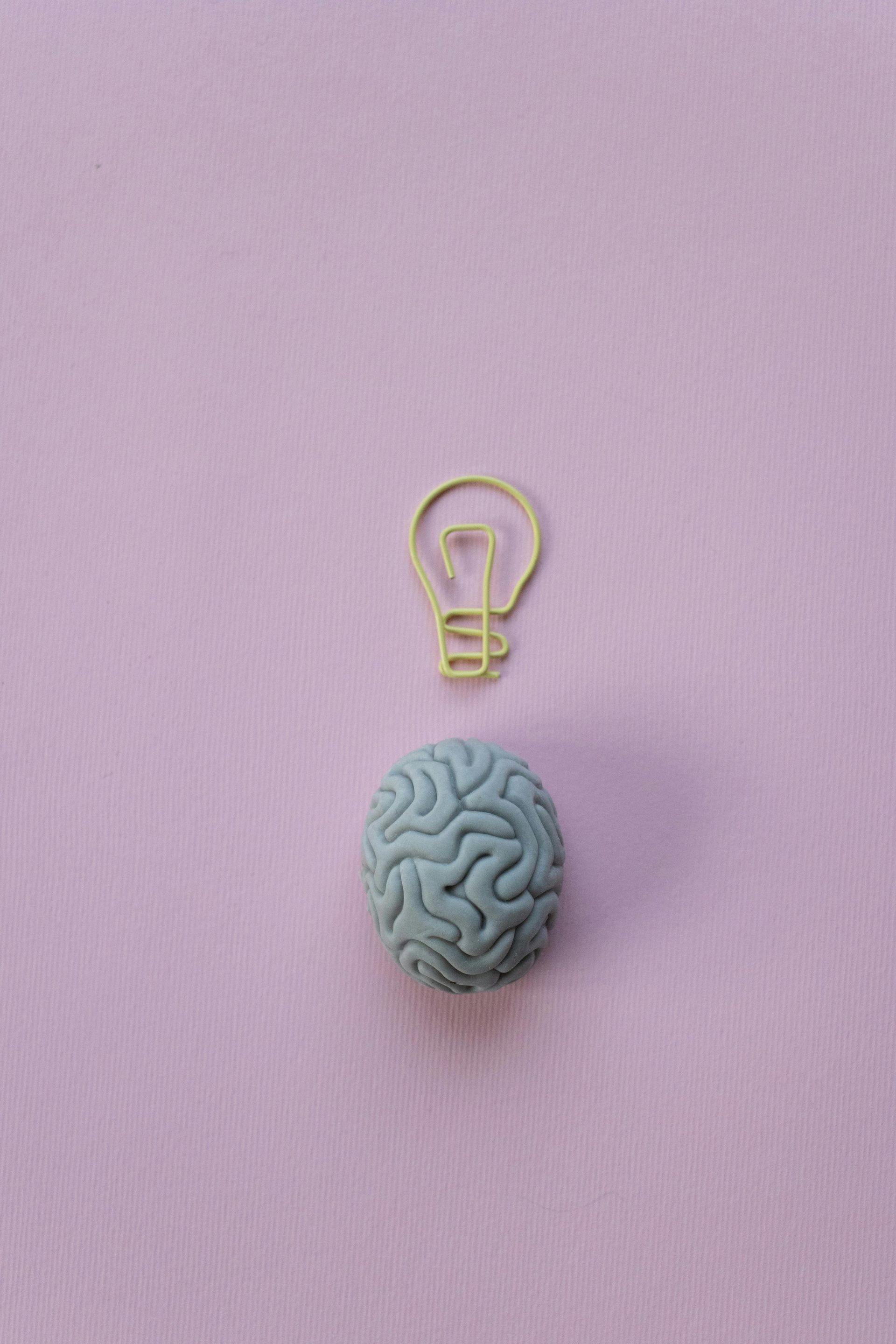
Mindfulness-Based Cognitive Therapy (MBCT) is a form of therapy that was created to treat depression, specifically treatment-resistant depression. Developed by Zindel Segal, John Teasdale, and Mark Williams, MBCT combines elements of cognitive therapy with mindfulness meditation. Research has shown that MBCT creates structural changes within brain areas that are associated with depression (Brewer et al., 2011). This means that MBCT reforms the brain, something that antidepressant medications have not been shown to do. This blog post will introduce the main ideas behind MBCT and briefly review the research backing this effective treatment option.

Review the basic framework of therapy sessions and treatment approaches in mental health counseling